


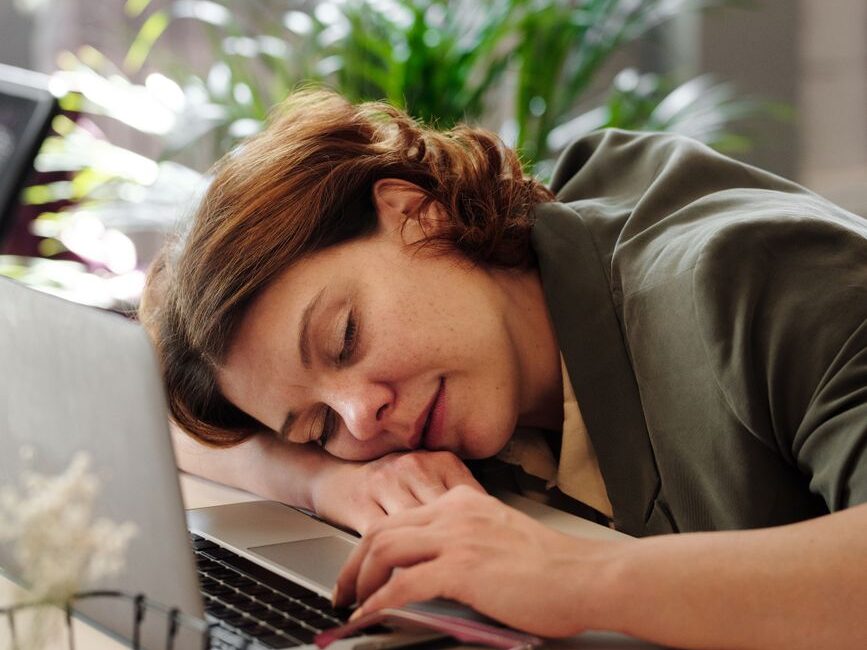
Many people assume poor sleep is simply part of getting older.
In reality, modern technology may be playing a larger role than we realise.
The human body relies on natural light cues to regulate sleep. As daylight fades, the brain begins producing melatonin, the hormone that helps prepare us for rest.
The challenge is that our evenings are no longer dark.
Smartphones, tablets, televisions and bright LED lighting all expose us to light that can confuse the body’s natural timing system. The result may be difficulty falling asleep, waking during the night or feeling tired despite spending enough hours in bed.
Research suggests that blue light, commonly emitted by electronic devices, has a particularly strong effect on sleep patterns.
The good news is that small changes can often help. Reducing screen use before bedtime, dimming lights during the evening and getting more natural daylight during the morning can all support healthier sleep.
Good sleep is not a luxury. It influences energy, mood, concentration and long-term health.
For a deeper look at the science of sleep and how different types of light affect the body, see the full feature in the latest edition of Expat Lifestyle Magazine.
Other Articles

Five Probate Surprises That Catch Expat Families Unprepared
Before You Renovate Your Spanish Property, Read This